
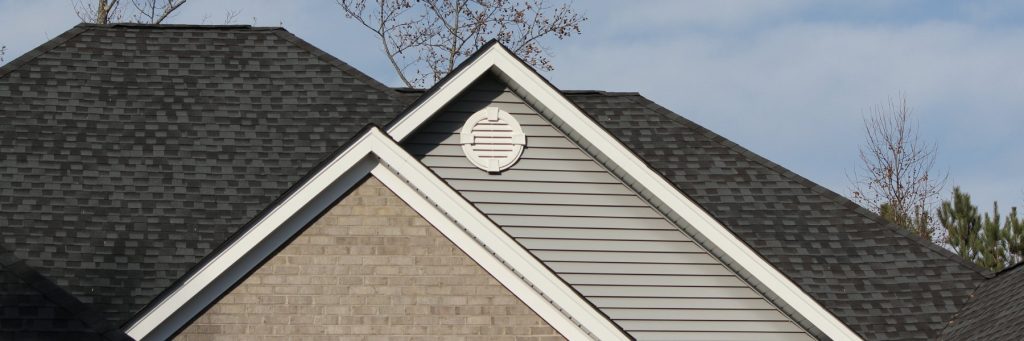
The Impact of Siding on Exterior Aesthetics
The exterior of your property is the first thing visitors and passersby notice, making your choice of Siding critical to curb appeal. Over time, exposure to the harsh Texas sun and storms can leave older exterior walls looking faded and worn.
Upgrading your home or commercial building with modern siding materials can completely transform its appearance. With a wide range of colors, textures, and profiles available, you can easily achieve a contemporary or classic aesthetic.
In addition to improving visual appeal, fresh siding increases the overall value of your property. It acts as a primary barrier against the elements, preserving the integrity of the underlying structural walls.
Comparing Vinyl and Fiber Cement Siding Materials
Vinyl Siding is a popular option due to its affordability, low maintenance requirements, and wide range of color choices. It does not require painting and resists moisture, making it a highly cost-effective option for many property owners.
Fiber cement siding, often referred to by brand names like James Hardie, is another exceptional choice for DFW structures. This material is made from a blend of cement, sand, and cellulose fibers, offering superior durability against impact and extreme temperatures.
While fiber cement is heavier and requires more specialized installation than vinyl, its wood-like appearance and resistance to warping make it a preferred premium option. Both materials offer distinct advantages depending on your budget and design goals.
Siding as an Insulating Barrier Against Texas Heat
Many property owners do not realize that Siding plays a critical role in the thermal performance of a building. Combined with quality house wrap and insulated backing, new siding helps prevent heat transfer into your home.
During the hot summer months in Dallas, a well-insulated exterior wall reduces the workload on your HVAC system. This improved energy efficiency leads to lower utility bills and more consistent indoor temperatures.
Investing in energy-efficient siding materials is a smart long-term strategy for local homeowners and businesses. The utility savings over time can help offset the initial installation costs while keeping your indoor spaces comfortable.
Signs It Is Time to Replace Your Exterior Siding
Recognizing when your Siding needs replacement can prevent water from penetrating your home’s structural framing. Common signs of wear include cracking, warping, rotting, or persistent peeling of paint on wood siding.
If you notice drafty interior walls or an unexpected rise in your energy bills, your exterior insulation may be failing. Mold, mildew, or moisture stains on interior walls near exterior barriers are also clear indicators of water intrusion.
When these signs appear, contacting a general contractor for an assessment is the best course of action. Timely repairs or a full siding replacement will preserve your property from deep structural decay.