
Understanding the Demands of Commercial Roofs
Commercial properties often have large, low-slope or flat roof profiles that present unique challenges compared to residential structures. These systems must support heavy equipment like HVAC units while managing large volumes of rainwater runoff.
Selecting the right material for commercial Roofing is critical to ensuring long-term durability and operational efficiency. The right system must withstand high winds, intense UV exposure, and thermal shock common in the Dallas climate.
A professional evaluation of your building’s structural capacity, usage, and local building codes is the first step in planning a commercial installation. Each property requires a tailored approach to maximize the lifespan of the roof.
The Advantages of TPO Single-Ply Membranes
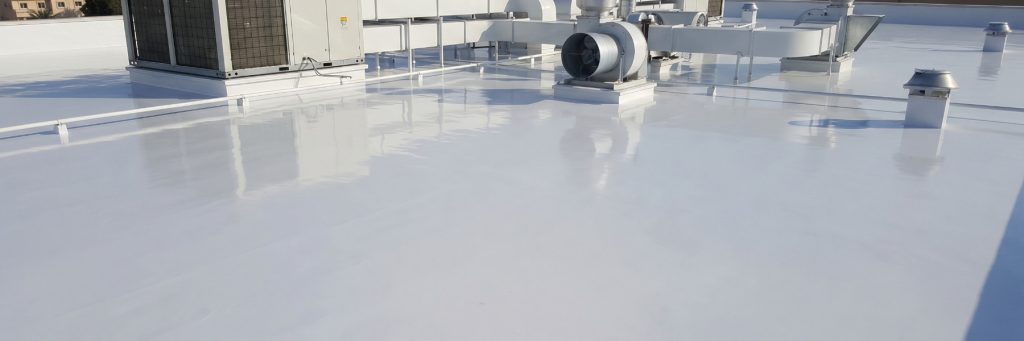
Thermoplastic Polyolefin, or TPO, has become one of the most popular choices for commercial flat roofs in the DFW metroplex. TPO is a single-ply reflective roofing membrane that offers exceptional resistance to ultraviolet light.
The bright white surface of TPO reflects solar heat away from the building rather than absorbing it. This reflective capability significantly lowers cooling costs, making it a highly energy-efficient option for local businesses.
TPO is also highly resistant to chemical exposure, ozone, and physical punctures. The seams are hot-air welded during installation, creating a continuous, watertight barrier that resists wind uplift.
EPDM and Modified Bitumen Commercial Options
Another reliable option for flat commercial Roofing is EPDM, a synthetic rubber membrane known for its extreme durability. EPDM is highly flexible, allowing it to adapt to building movement and extreme temperature fluctuations.
For buildings that require a heavy-duty, multi-layer system, modified bitumen is an excellent choice. This asphalt-based material is reinforced with fiberglass or polyester, providing superior strength and resistance to heavy foot traffic.
Both EPDM and modified bitumen have proven track records of performance in demanding commercial environments. Selecting between these options depends on factors like roof traffic, budget, and specific insulation requirements.
The Importance of Regular Commercial Roof Inspections
Even the most durable commercial Roofing systems require routine maintenance to perform at their best. Scheduling biannual inspections in the spring and fall helps identify minor wear before it leads to water intrusion.
During an inspection, professionals check the integrity of the seams, flashing around roof penetrations, and the operation of the drainage system. Identifying and sealing small separations early prevents major leaks inside the building.
Proactive maintenance not only shields your inventory and equipment but also helps maximize the warranty on your roofing system. Partnering with a reliable general contractor ensures your commercial roof remains in top condition for decades.